
Permits & Planning
Do You Need a Permit to Remodel a Bathroom or Kitchen in Virginia?
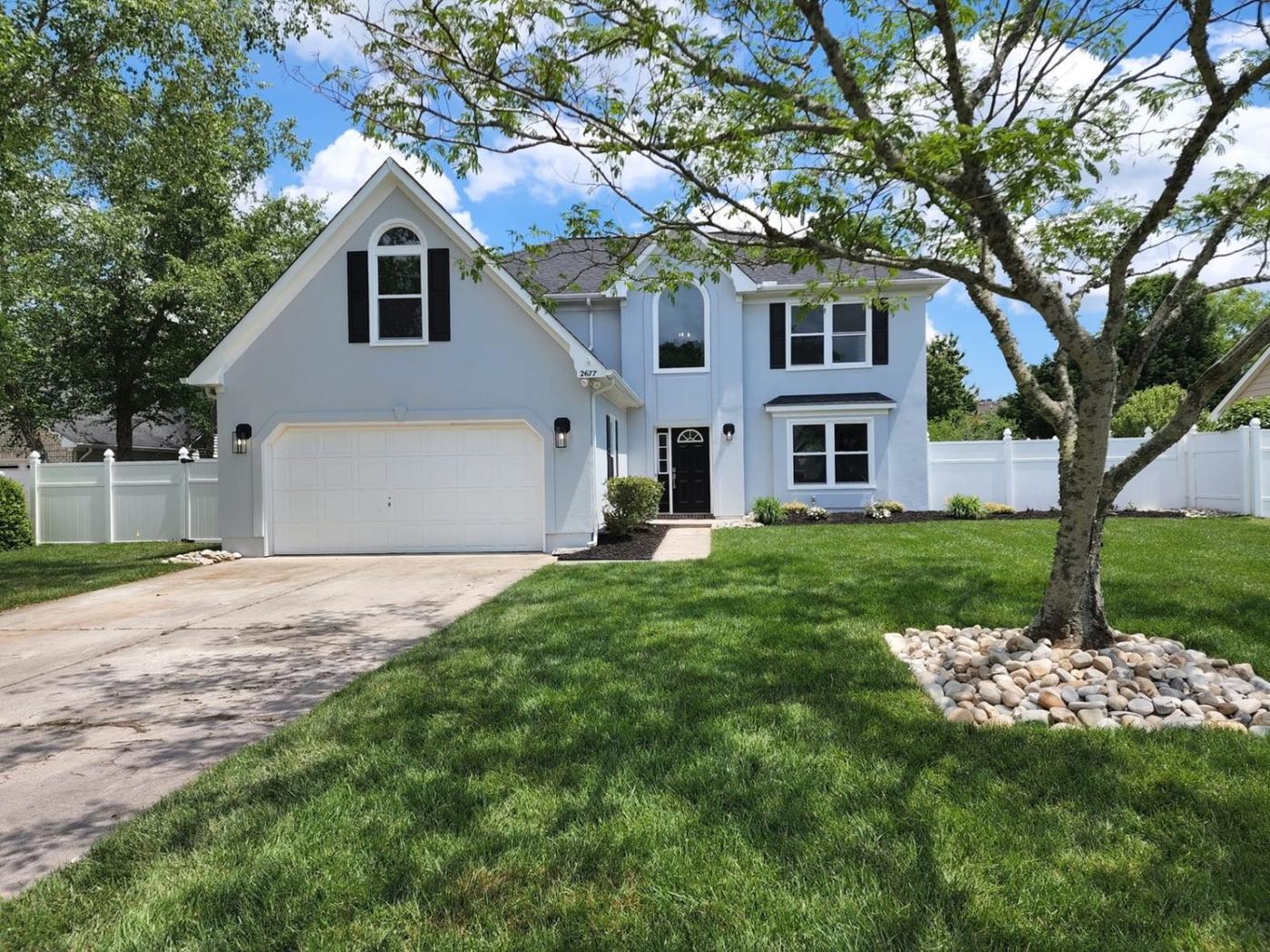
If you are swapping a vanity, replacing a toilet in the same spot, retiling a shower wall, or installing new cabinets, Virginia's building code does not require a permit. If you are moving a drain, adding an electrical circuit, taking out a wall, or relocating a fixture even a few feet, it does.
The dividing line is not how expensive the project is or how much of the room changes. It is whether you are altering a system — plumbing, electrical, mechanical, or structural — or only changing what sits on top of it.
That line is set by the 2021 Virginia Uniform Statewide Building Code, in effect since January 18, 2024. Because it is a statewide code, the rule is identical whether your home is in Virginia Beach, Chesapeake, Norfolk, or Portsmouth. Only the office you file with changes.
The Short Answer
| Usually no permit | Almost always a permit |
|---|---|
| New cabinets, countertops, and trim | Moving a sink, toilet, or shower drain |
| Replacing a toilet, sink, or tub in the same location | Adding or extending any electrical circuit |
| New tile, paint, wallpaper, and interior finishes | Removing or altering a wall |
| Swapping light fixtures, switches, and outlets | Converting a tub to a curbless shower |
| Replacing windows and doors in the existing opening | Adding a bathroom where none existed |
| Installing new flooring over existing subfloor | Relocating or resizing a window opening |
| New non-gas appliances in the same spot | Anything involving gas |
The second column is where nearly every real remodel ends up. A bathroom you actually want to be different — not just newer — almost always moves something.
What Virginia's Building Code Actually Exempts
Most permit articles tell you to "check with your local building department." Virginia publishes the list. It lives in Section 108.2 of the Virginia Construction Code (13VAC5-63-80), and the parts that matter to a homeowner are worth reading in the actual language:
Plumbing fixtures
Exempt is the "replacement of plumbing fixtures and well pumps in all groups without alteration of the water supply and distribution systems, sanitary drainage systems, or vent systems."
Read that qualifier carefully. You can pull the old toilet and set a new one on the same flange with no permit. Move that flange eighteen inches to make room for a larger vanity and you have altered the sanitary drainage system, which means you need one.
Electrical
Exempt is the "replacement of general use snap switches, dimmer and control switches, 125 volt-15 or 20 ampere receptacles, luminaires (lighting fixtures), and ceiling (paddle) fans" in single dwellings.
Replacing what is already there is fine. Adding a circuit for a heated floor, a new bathroom fan, or a run of under-cabinet lighting is not on the list.
Cabinetry and finishes
The code exempts "installation or replacement of cabinetry or trim" outright, along with interior wall and ceiling finishes. A full cabinet replacement — an expensive, visually dramatic job — needs no permit at all as long as nothing behind the cabinets moves.
Windows and doors
Exempt when replaced "with windows and doors of similar operation and opening dimensions that do not require changes to the existing framed opening." Same size, same swing, same hole. Widen the opening and you are into structural work.
Mechanical appliances
Exempt when replaced, "provided such equipment is not fueled by gas or oil." Gas is always a permit in Virginia. No exceptions, no size threshold.
Where a Bathroom Remodel Crosses the Line
Most homeowners planning a bathroom project assume the permit question hinges on cost. It usually hinges on the shower.
A like-for-like refresh — new tile in the existing shower, new vanity on the existing supply lines, new toilet on the existing flange, new light fixture in the existing box — falls entirely inside the exemptions. No permit, no inspection.
Then there are the four changes that flip it:
- Moving any drain. Relocating a shower drain, shifting a toilet, or moving a vanity to the other wall alters the sanitary drainage system.
- Converting a tub to a curbless shower. This is the most common permit surprise we see. A zero-entry shower usually requires cutting the subfloor to drop the drain and recess the pan. That is both plumbing and structural.
- Adding a bathroom. New supply, new drain, new venting, new circuits. Always a permit, and usually a plan review.
- Adding a vent fan where none existed. New circuit, new duct penetration through the building envelope.
If you are weighing a tub-to-shower conversion, our post on walk-in showers versus bathtubs covers the decision itself. Our bathroom remodeling work includes handling the permit and inspection schedule as part of the project, not as an extra the homeowner chases separately.
Where a Kitchen Remodel Crosses the Line
Kitchens are the opposite of what people expect. A very large kitchen budget can be entirely permit-free, and a modest one can require three permits.
New cabinets, new counters, new backsplash, new flooring, and new light fixtures in the existing boxes — that can be a $50,000 kitchen with no permit required. Nothing moved.
What triggers a permit:
- Moving the sink. Almost every kitchen where the layout genuinely improves moves the sink, and that means moving the drain and vent.
- Adding an island with plumbing or power. New circuits, sometimes a new drain and vent through the floor.
- Adding dedicated circuits. Modern kitchens need more amperage than 1970s and 1980s Hampton Roads housing stock was wired for. Adding circuits for a microwave drawer, an induction range, or a second dishwasher requires an electrical permit.
- Converting from electric to gas. Any gas line work is permitted, always.
- Removing a wall to open the kitchen to the living room. The single most common Hampton Roads renovation request, and it requires structural review to confirm whether the wall carries load.
That last one deserves emphasis. On the ranch and split-level homes common across Virginia Beach and Chesapeake, the wall between the kitchen and living room is load-bearing more often than homeowners expect. Opening it needs a beam, and the beam needs a permit and an inspection. This is the point where a kitchen remodeling project stops being cosmetic.
The Roofing Exemption That Doesn't Apply in Hampton Roads
Here is the item that catches people, and you will not find it in a national article.
Virginia's code exempts "replacement of an unlimited amount of roof covering or siding" on a single-family home — but only "provided the building or structure is not in an area where the nominal design wind speed is greater than 100 miles per hour."
Coastal Hampton Roads sits above that threshold. Virginia Beach, Norfolk, Chesapeake, and Portsmouth are all in higher design wind speed zones because of hurricane exposure, which means the blanket roofing exemption most articles cite does not apply to your house.
The practical consequence: a full roof replacement in Hampton Roads generally requires a permit, even though the same job in a lower-wind part of Virginia would not. Homeowners who read a national guide, conclude that re-roofing is exempt, and let an unpermitted crew do the work end up with an undocumented roof — which becomes a problem at resale and can complicate a wind or storm claim.
Confirm your specific address with your city's permit office before assuming either way. Our roofing services include pulling the permit as standard practice, because in this market it is not optional.
One Code, Four Cities
The building code is identical across Hampton Roads. The filing process is not.
| City | Where to file | Contact |
|---|---|---|
| Virginia Beach | Accela Citizen Access portal | Permits & Inspections, (757) 385-4211 · 2403 Courthouse Drive |
| Chesapeake | Development & Permits online applications | Chesapeake Department of Development & Permits |
| Norfolk | E-Permit Portal — all permits are filed electronically | Permits & Inspections, (757) 664-6565 |
| Portsmouth | Permits & Inspections applications | Portsmouth Department of Permits & Inspections |
Norfolk is worth flagging: the Development Services Center no longer processes permits in person. Everything goes through the portal, and inspection results are emailed to registered addresses.
Virginia Beach allows homeowners to pull their own trade permits. You provide your name, the property address, and the approximate cost of materials. A contractor filing the same permit has to supply a state contractor registration number instead — which is, incidentally, a free way to verify that whoever you hired is actually licensed.
If Your Home Is in a Flood Zone, the 50% Rule Changes the Math
A large share of Hampton Roads sits in a FEMA Special Flood Hazard Area, and that adds a rule most homeowners have never heard of until a permit reviewer raises it.
If your home is in an SFHA, Virginia Beach evaluates the cost of your improvement against the market value of the structure:
- Under 50% of market value — the structure "must be elevated and/or flood-protected to the greatest extent possible, as determined by the Permits and Inspections Department."
- At or above 50% of market value — the work "must conform to the City's floodplain regulations, as well as the Virginia Uniform Statewide Building Code."
Crossing that 50% threshold is called substantial improvement, and it can require bringing the entire structure into current floodplain compliance — potentially including elevating it. On an older, lower-value home, an ambitious whole-house renovation can trip the threshold without anyone intending to.
If you are planning a full home renovation on a property near the water, find out your flood zone and your structure's assessed value before you finalize scope. It is a five-minute question that occasionally reshapes an entire project.
Who Pulls the Permit, You or Your Contractor?
Either can. In practice the contractor should, and here is why it matters beyond convenience.
Virginia licenses contractors by contract value through the Department of Professional and Occupational Regulation:
| Class | Single contract | Annual gross |
|---|---|---|
| Class C | Over $1,000, under $30,000 | Under $250,000 |
| Class B | $30,000 to under $150,000 | $250,000 to under $1 million |
| Class A | $150,000 or more | $1 million or more |
A contractor who pulls the permit has to give the city their registration number, which the city checks against the project value. That is a real check, performed by someone other than you, at no cost to you.
When a contractor instead asks the homeowner to pull the permit, it is worth asking why. Sometimes the answer is innocent. Sometimes it means their license class does not cover the size of your job, or they are not licensed at all — and the permit is now in your name, along with the liability.
You can verify any Virginia contractor's license class and standing yourself through DPOR's public license lookup before you sign anything.
What Actually Happens If You Skip It
The risk is not usually a fine, though a city can issue one and can require unpermitted work to be opened up for inspection or removed.
The real cost shows up later, in three places:
- At resale. Buyers' agents ask about permits on visible renovations. A finished bathroom with no permit history invites a price reduction, a repair demand, or a request that you retroactively permit the work — which means opening finished walls.
- On an insurance claim. If unpermitted work contributes to a loss, coverage gets complicated. This is most acute with electrical and with roofing in a wind zone, which is exactly where the Hampton Roads roofing exemption gap bites.
- On the next project. Unpermitted work discovered during a later permitted job has to be dealt with before the new work is approved. A homeowner who saved a few hundred dollars in 2020 pays several thousand in 2026 to correct it.
The permit itself is rarely the expensive part. Correcting an unpermitted remodel almost always is.
Planning a Remodel in Hampton Roads?
Divine Touch Home Improvements is a family-owned, veteran-owned, minority-owned remodeling contractor based in Virginia Beach, serving Virginia Beach, Chesapeake, Norfolk, and Portsmouth in English and Spanish.
We handle permits and inspections as part of the job. You will get a written, itemized estimate that says plainly which permits your project needs and what they cost — before you commit to anything.
For more planning guidance, read our kitchen and bathroom remodeling tips for Hampton Roads homeowners.